The Conejo Valley Fire-Safe Yard: Defensible Space That Actually Looks Good
Defensible space does not have to mean a moonscape. A guide to Ventura County brush clearance and the zone-by-zone landscaping that protects your home and still looks like a home.
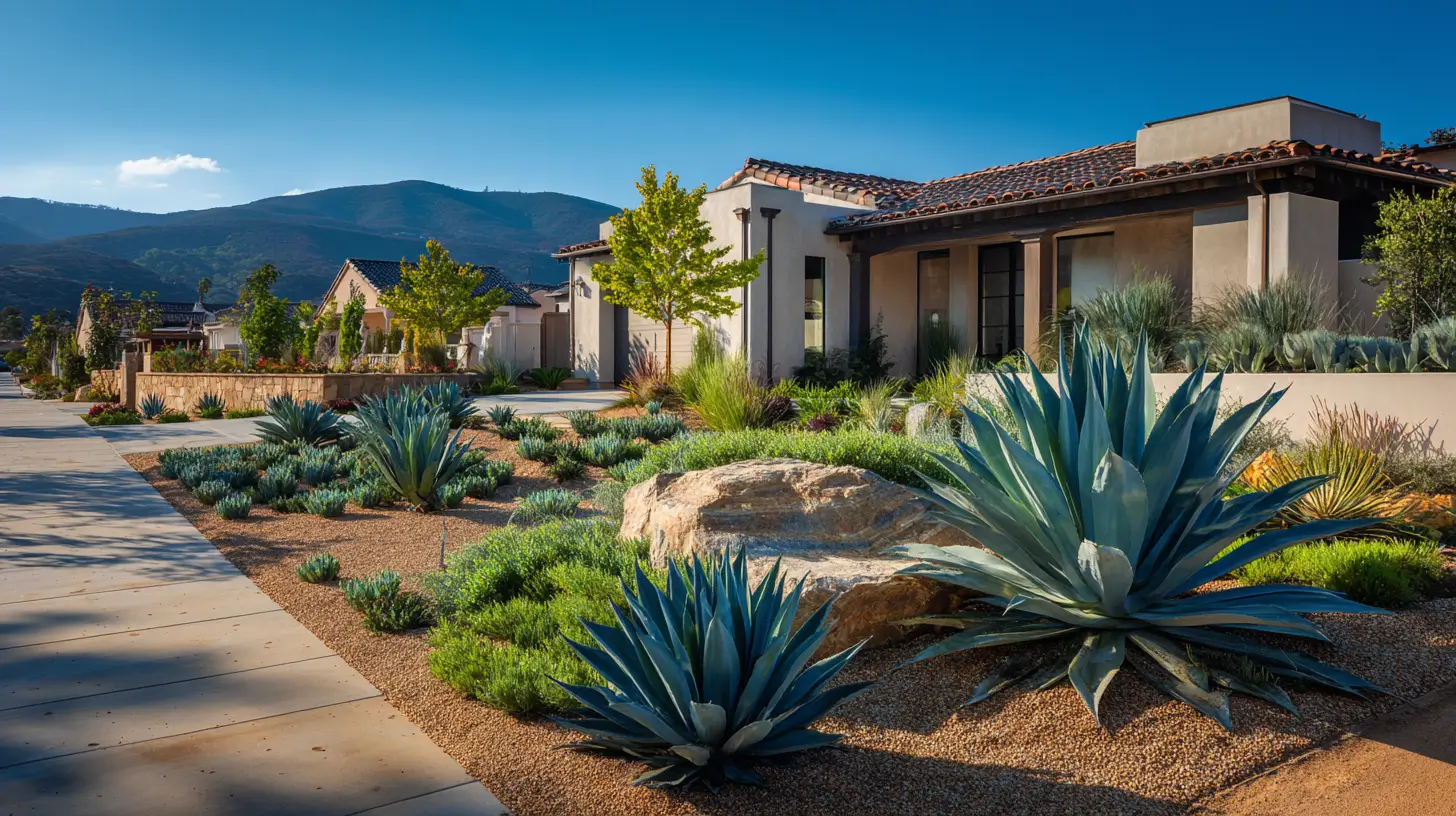
In the Conejo Valley, fire safety is a landscaping discipline. California law requires defensible space around homes in high fire-hazard areas — generally up to 100 feet — and the Ventura County Fire Department inspects for it. The mistake people make is assuming that means stripping the yard down to bare dirt. Done well, a fire-safe yard is simply a well-designed, drought-tolerant one.
A note before you start: exact requirements, zone definitions, and inspection timelines change over time and can vary by parcel. Confirm the specifics for your property with the Ventura County Fire Department before undertaking major work. What follows is the framework that most defensible-space guidance is built around.
Think in zones
Defensible space is organized by distance from the house: the closer to the structure, the stricter the rules. Picturing it as concentric zones makes the whole job manageable.
- Zone 0 — the first five feet (the ember-resistant zone). Keep this band as noncombustible as you can: gravel, pavers, and hardscape, with only well-irrigated, low plants if any. No bark mulch, no firewood, nothing flammable pressed against the walls or beneath the lowest windows.
- Zone 1 — five to thirty feet ("lean, clean, and green"). Remove dead plants and leaf litter, space shrubs apart so fire cannot travel plant to plant, and keep what remains hydrated.
- Zone 2 — thirty to one hundred feet. Reduce fuel: cut tall grass low, space out trees, and break up continuous vegetation so a fire cannot run unbroken across the property.
Cut the ladder fuels
The dangerous combination is low brush that lets a ground fire climb into the tree canopy. Break that ladder: prune the lower limbs of trees, clear shrubs growing beneath them, and create both vertical and horizontal separation between plants. Keep tree canopies away from the roof and clear of the chimney.
Clean up the easy wins
A surprising share of defensible space is just diligent maintenance. Clear dead vegetation and leaf litter, keep gutters and roof valleys free of debris (a major ember catcher), rake out from under decks, move the woodpile at least thirty feet from the house, and screen attic and foundation vents to block ember intrusion.
- Clear dead material and leaf litter throughout the yard.
- Clean gutters and roof valleys of accumulated debris.
- Relocate firewood at least thirty feet from structures.
- Screen vents to keep embers out.
Make it look intentional
This is where good design earns its keep. Decomposed-granite paths, gravel beds, boulders, and pavers create the noncombustible spacing you need while reading as deliberate hardscape. The same drought-tolerant palette that satisfies a fire inspector drives strong drought-era curb appeal when it is time to sell. Well-irrigated succulents, agaves, and many California natives are both low-flammability and genuinely handsome. Group plantings into separated islands rather than one continuous bed. The result looks like a designed Mediterranean garden — which is, essentially, what well-executed defensible space is.
Keep it up
Fire-safe landscaping is never one-and-done. Vegetation regrows, leaves fall, and inspection season comes around every year. Build a spring cleanup and a pre-fire-season pass into your calendar and keep the irrigation working, and the yard stays both compliant and beautiful — with far less effort than a single frantic rescue.