Winning the War on 805 Hard Water: Protecting Your Fixtures and Glass
The white film on your glass and the crust on your showerhead are the same problem. Here is how to read your water, remove the scale safely, and keep it from coming back.
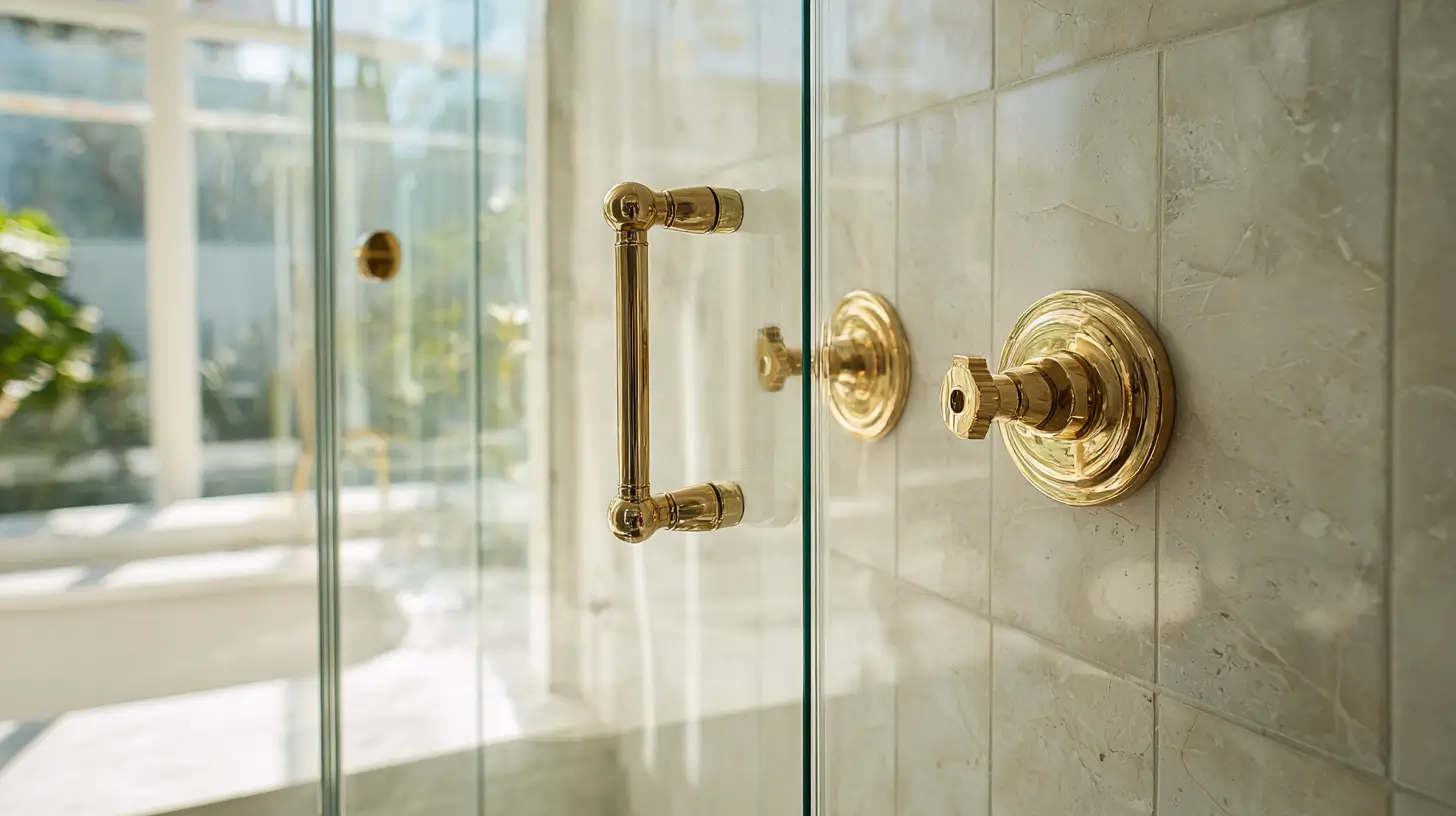
Across Ventura County and into Santa Barbara, much of our tap water arrives hard — rich in dissolved calcium and magnesium picked up on its long journey from imported sources. It is perfectly safe to drink, but it is relentless on fixtures, glass, and appliances. The good news is that hard-water damage is predictable, and almost all of it is preventable.
Know your water
Hardness varies by community and by water provider, so it is worth knowing your specific number. Your water district publishes an annual water-quality report (often called a Consumer Confidence Report) that lists hardness; a quick look tells you exactly what you are up against. Even without the figures, the symptoms are easy to read.
- White crust on faucets, aerators, and showerheads.
- Cloudy spotting on glass shower doors and dishes.
- Weak flow from clogged aerators and showerheads.
- Soap that won't lather and a filmy residue on skin and tile.
- Shorter appliance life for water heaters and dishwashers.
Remove scale without wrecking the finish
The workhorse is mild acid. Household white vinegar dissolves calcium scale: bag a vinegar-filled sandwich bag around a crusty showerhead overnight, soak aerators and faucet parts in a bowl, and use a vinegar solution with a non-scratch pad to lift spotting off glass. For stubborn buildup, citric acid or a commercial descaler such as CLR works faster — just follow the label and rinse thoroughly afterward. Skip abrasive pads on chrome, which scratch the finish you are trying to protect.
- Showerheads and aerators: overnight vinegar soak.
- Glass doors: vinegar solution plus a non-scratch pad.
- Heavy scale: citric acid or a commercial descaler, then rinse.
One important exception: never use vinegar, citric acid, or any acid on natural stone. Marble, travertine, and many granite and quartzite installations common in upscale 805 homes will etch and dull on contact. Use a pH-neutral, stone-safe cleaner on those surfaces instead.
Protect the glass before it etches
With shower glass, the real enemy is permanent etching. Once minerals bond to and pit the surface, polishing or full replacement is the only real fix. Stop it early: squeegee the glass after every shower, do a weekly vinegar wipe, and consider a glass sealant that makes water bead and sheet off rather than sitting and drying into spots. Prevention here is dramatically cheaper than restoration.
Treat the source
Spot-cleaning forever is a losing battle; treating the water itself is the durable fix. A whole-house water softener removes the minerals before they ever reach your plumbing, which protects fixtures and extends the life of your water heater and dishwasher. Where a softener is not practical, point-of-use filters and conditioners help at specific fixtures. Weigh the install cost against years of scale, repairs, and replaced glass — the math often favors treatment.
A maintenance rhythm
Even with treatment in place, keep a light habit: squeegee the glass, wipe fixtures down weekly, and soak showerheads a couple of times a year. Hard water never fully surrenders around here, but with the right routine it stops being something you notice. And when you do tackle every fixture at once — before listing a home or handing back the keys — that same descaling work folds neatly into a full move-out deep clean.
When the scale has built up across an entire home — clouded glass, crusted fixtures, and a mineral haze that no longer wipes away — a one-time deep clean brings everything back to a clear baseline. Maid VIP, the service that publishes this guide, offers that reset across the 805.