Move-Out Deep Cleaning in the 805: A Room-by-Room Standard for Sellers, Renters & Landlords
A move-out clean is held to someone else's standard — a deposit, a walkthrough, a turnover. The room-by-room 805 standard, the hard-water and mildew traps, and what California renters owe.
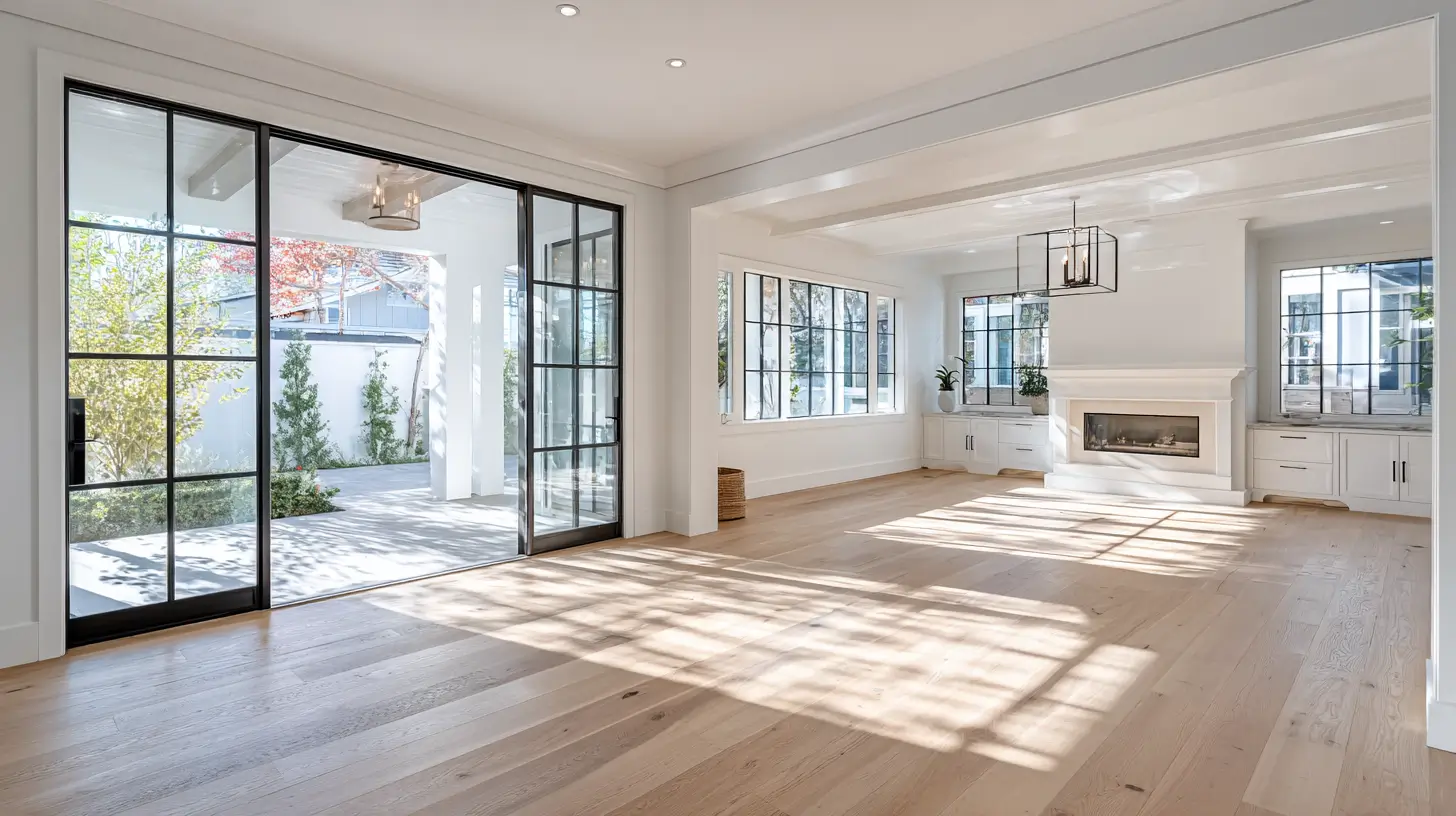
A move-out clean is not a regular clean done harder. It is a clean held to someone else's standard — a landlord's deposit deductions, a buyer's first walkthrough, a property manager's turnover checklist. The bar is higher, the corners genuinely get inspected, and in the 805 there are two local complications most checklists ignore: hard-water scale on every glass surface and marine-layer mildew in the spots that never get air.
This is the room-by-room standard professionals work to, plus what renters specifically need to know about getting a deposit back in California.
Why Move-Out Cleaning Is a Different Job (Deposits, Listings, Turnovers)
The difference is the inspection. Unlike your weekly clean, a move-out clean ends with someone looking closely — and with money attached to the result. That changes both the standard and the order in which you work.
For Renters: Protecting Your Security Deposit
In California, security deposits are governed by Civil Code section 1950.5. A landlord may deduct for cleaning needed to return the unit to its condition at move-in and for damage beyond normal wear and tear, must provide an itemized statement of any deductions, and must return the balance within 21 days of move-out. (The cap on how large a deposit can be changed under recent state legislation, so check the current limit rather than relying on an older figure.) The practical standard is "as clean as you got it," not "renovated": ordinary wear — minor scuffs, faded paint, carpet worn from normal use — is not chargeable, but grime, stains, and neglected buildup are. Photograph the unit at move-out and leave a forwarding address so the itemized statement and refund can reach you.
For Sellers & Landlords: The Pre-Listing / Turnover Standard
For a sale, cleanliness is part of staging — buyers read a spotless home as a well-maintained one, and our staging guide treats the deep clean as step one. For a rental turnover, the standard is simply move-in-ready for the next tenant. Either way this is the most thorough clean the home will get between occupants, so it is worth doing in the right sequence.
Before You Start: Sequence, Supplies, and the Top-Down Rule
Clean the home empty if you can, once the furniture is out. Work top to bottom — cobwebs, light fixtures, and high shelves first, surfaces next, floors last — and back to front out of each room so you are never re-dirtying what you just finished. Keep a kit ready: microfiber cloths, a non-scratch pad, all-purpose cleaner, a degreaser, glass cleaner, white vinegar or a descaler for hard water, a grout brush, and a pH-neutral, stone-safe cleaner for any marble, travertine, or sealed Saltillo. One caution that matters in upscale 805 homes: never use vinegar or acidic descalers on natural stone or sealed terracotta, which will etch.
The Kitchen (Oven, Range Hood, Cabinets, Fridge)
The kitchen is where deposits are won and lost. Soak and degrease the range-hood filters, clean the oven interior and the stovetop, and wipe inside and on top of the cabinets. Pull the refrigerator out to clean beneath and behind it, then defrost and wipe the interior. Do not overlook the dishwasher gasket, the drawer interiors, the backsplash, and the toe kicks — and descale the faucet, which in the 805 will be wearing a chalky ring.
Bathrooms — and the 805 Hard-Water Problem
Bathrooms are where local water shows itself, so plan on descaling. Soak showerheads and aerators in vinegar, lift mineral spotting off glass with a vinegar solution and a non-scratch pad (or a dedicated descaler), and re-whiten grout with a grout brush. Wipe down the exhaust fan, clean mirrors streak-free, and scrub the toilet base and the floor behind it. If the home has picked up marine-layer mildew, treat the speckling now — in grout, on caulk, and along window frames — because it is exactly what a buyer or inspector notices first. And know the limit: if years of hard water have permanently etched the shower glass, scrubbing will not restore it, and that is a wear issue rather than a cleaning failure.
Bedrooms, Living Areas, Walls & Closets
Wipe baseboards, the tops of doors, and trim; clean switch plates, outlet covers, and light fixtures; dust blinds and wash the window sills, where 805 pollen collects. Clean inside the closets — shelves, rods, and floors — and air out any closet on an exterior wall, where coastal humidity tends to leave a musty note. On the walls, erase scuffs with a melamine sponge and fill small nail holes if your lease requires it, touching up paint where appropriate; remember that ordinary fading and minor marks read as normal wear, not damage.
Floors: Carpet, Tile & Grout, and Hardwood
Floors are the last and most visible step. Vacuum and then shampoo or steam the carpets — for a move-out, professional carpet cleaning is often expected and is sometimes written into the lease. Mop tile and scrub the grout lines; on Saltillo or other sealed stone and terracotta, use a stone-safe cleaner and never an acid. Damp-mop hardwood with a wood-appropriate cleaner, avoiding standing water, which can warp the boards.
Windows, Tracks, Screens & Pollen
Clean the interior glass and as much of the exterior as you can safely reach, then vacuum and wipe the tracks, where oak pollen and grime accumulate, and rinse the screens. Clean windows are a cheap, high-impact step: an empty home with bright glass photographs and shows far better, which matters for a listing.
The Garage and Exterior Entry
Sweep the garage, wipe down any built-ins, and lift oil stains from the slab if you can. At the entry, clear cobwebs, sweep the porch and walkway, wipe the front door, and tidy the immediate landscaping. First and last impressions bracket every walkthrough, so the few minutes spent outside the door pay off.
The Final Walkthrough Checklist
- Kitchen: appliances cleaned inside, on top, and behind; cabinets, sink, and faucet descaled.
- Bathrooms: glass and fixtures descaled, grout whitened, mildew treated, fan wiped.
- Living & bedrooms: baseboards, switch plates, blinds, sills, closets, and scuffs addressed.
- Floors: carpets shampooed, tile and grout cleaned, hardwood damp-mopped.
- Windows: glass, tracks, and screens.
- Garage & entry: swept and tidied.
- Renters: photos taken and a forwarding address provided for the 21-day itemized return.
DIY or Hire It Out? When a Professional Move-Out Clean Pays Off
Doing it yourself makes sense when you have the time, the home is in good shape, and you can hold the work to the standard above. Hiring a professional move-out service tends to pay off when the timeline is tight — a back-to-back close or a same-day turnover — when there is heavy buildup to reverse (a neglected oven, set-in hard-water scale, dingy grout, soiled carpets), when a deposit or a sale price hinges on the result, or when you simply will not have the place empty long enough to do it right. For sellers and landlords especially, a professional turnover clean is often the cheapest line item protecting the largest number on the page — the sale price or the next lease.
If you decide to hand it off, Maid VIP, this site's publisher, provides move-out and turnover cleaning across Thousand Oaks and Ventura County built to the standard above.